Categories
News

Is It a Good Time to Buy Property in Dubai in 2026?

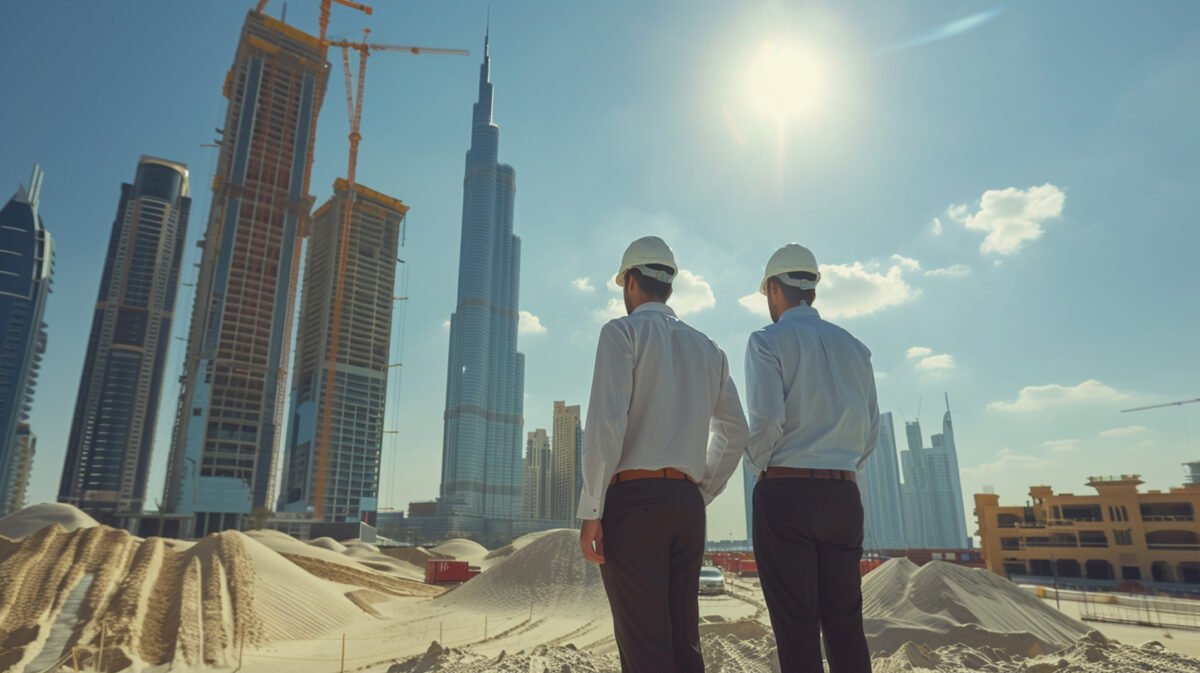
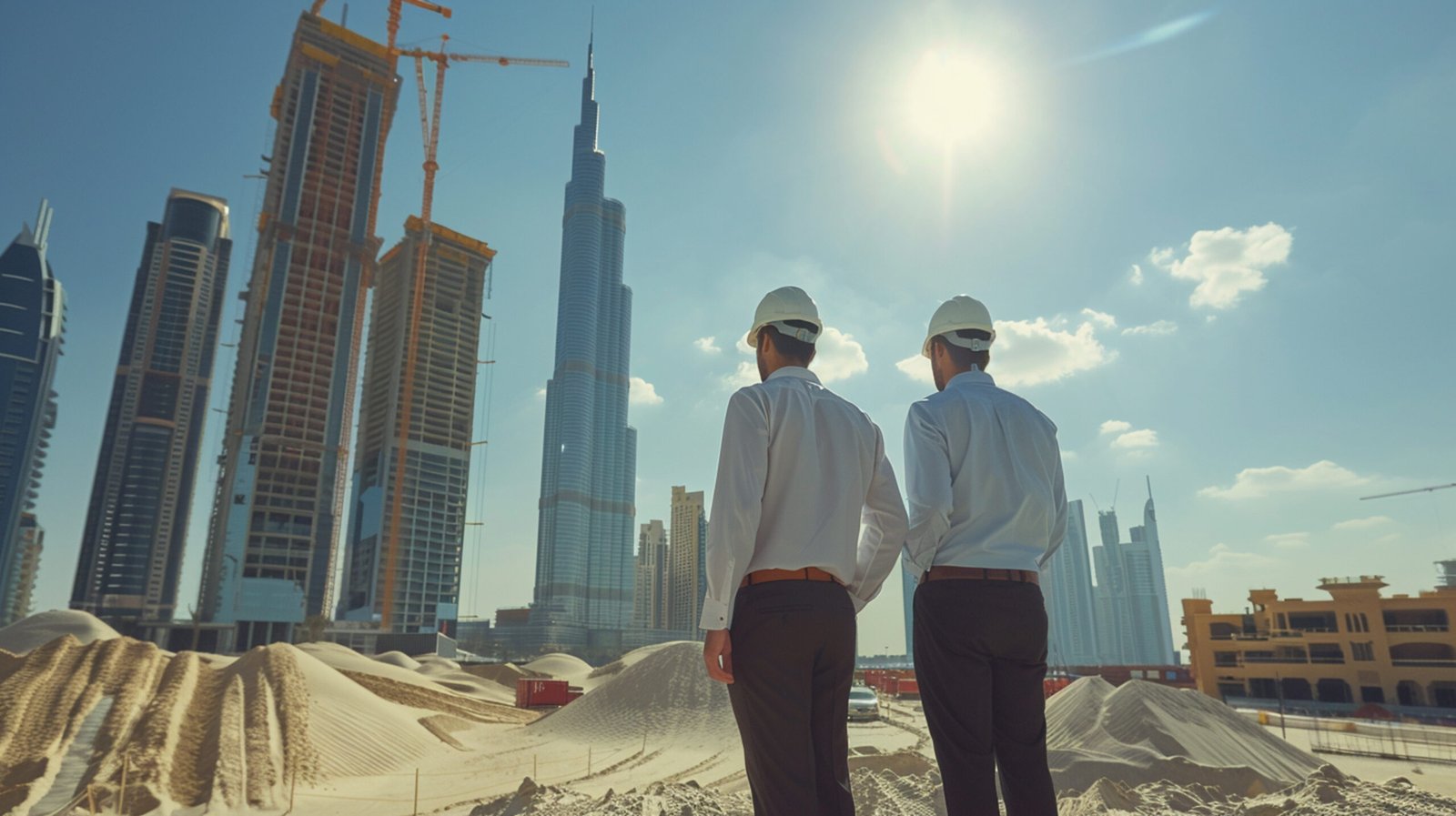
Dubai’s real estate market continues to attract global investors, expats, and high-net-worth individuals. With strong growth, rising demand, and investor-friendly policies, one key question remains:

Is it a good time to buy property in Dubai in 2026?

The answer is yes — but not simply because prices are rising. Dubai today is a more mature, regulated, and globally competitive market supported by strong fundamentals, long-term planning, and sustained demand.

If you’re new to the market, you can also read our complete guide to buying property in Dubai to understand the full process.


Dubai Real Estate Market Overview in 2026

Dubai has entered 2026 with strong momentum. The market is no longer driven by speculation alone — it is supported by real demand, economic growth, and global investor confidence.

  • Record transaction volumes in recent years
  • Increasing number of international investors
  • Strong rental market performance
  • Long-term government initiatives (D33 Agenda, Urban Plan 2040)
  • Growth in population and business activity

This shift indicates that Dubai is now a stable and structured real estate market, making it more attractive for long-term investment.


Property Prices in Dubai: Are They Still Rising?

Property prices in Dubai have seen consistent growth over the past few years. However, in 2026, the market is transitioning into a more sustainable phase.

Key Price Trends

  • Luxury villas and waterfront properties continue to rise
  • Mid-market apartments show stable growth
  • Some areas are seeing price stabilization

This is a healthy sign, as it reflects a balanced market rather than an overheated one.

Compared to cities like London or New York, Dubai still offers better value per square foot, leaving room for long-term appreciation.


Rental Yields in Dubai: A Major Advantage

One of the strongest reasons to invest in Dubai real estate is its high rental yield.

  • Apartments: 6% – 8%
  • Villas: 5% – 6%

Dubai consistently ranks among the top global cities for rental returns. Strong tenant demand, population growth, and business expansion continue to support the rental market.

Learn more about investment opportunities here: Dubai real estate investment guide


Demand vs Supply: What Investors Should Know

Growing Demand

  • Global investors relocating to Dubai
  • Entrepreneurs and remote workers
  • Golden Visa applicants
  • Expanding expat population

Supply Situation

  • New projects are being launched
  • Prime locations still have limited supply
  • High demand for villas and townhouses

This demand-supply balance continues to support property prices.


Should You Buy Now or Wait?

Many buyers try to time the market, but in reality, the best time depends on your goals.

Buy Now If:

  • You want long-term capital appreciation
  • You want rental income
  • You find a good deal in a prime location
  • You want residency benefits

Wait If:

  • You are unsure about your financial plan
  • You are expecting short-term price drops
  • You have not finalized your investment goal

In many cases, waiting may result in higher prices later.


Is Dubai Property a Safe Investment in 2026?

Dubai is considered one of the safest real estate markets due to its strong regulations and transparent system.

  • Dubai Land Department (DLD) regulation
  • Escrow accounts for off-plan projects
  • Clear ownership laws
  • Digital property transactions

These factors make Dubai a secure and investor-friendly market.


Government Policies Supporting Property Investment

Golden Visa

Investors purchasing property worth AED 2 million or more may qualify for a 10-year residency visa.

Tax-Free Benefits

  • No property tax
  • No capital gains tax
  • No rental income tax

Foreign Ownership

Foreigners can buy property in designated freehold areas with full ownership rights.

For more premium developments, you can explore: Dubai luxury properties
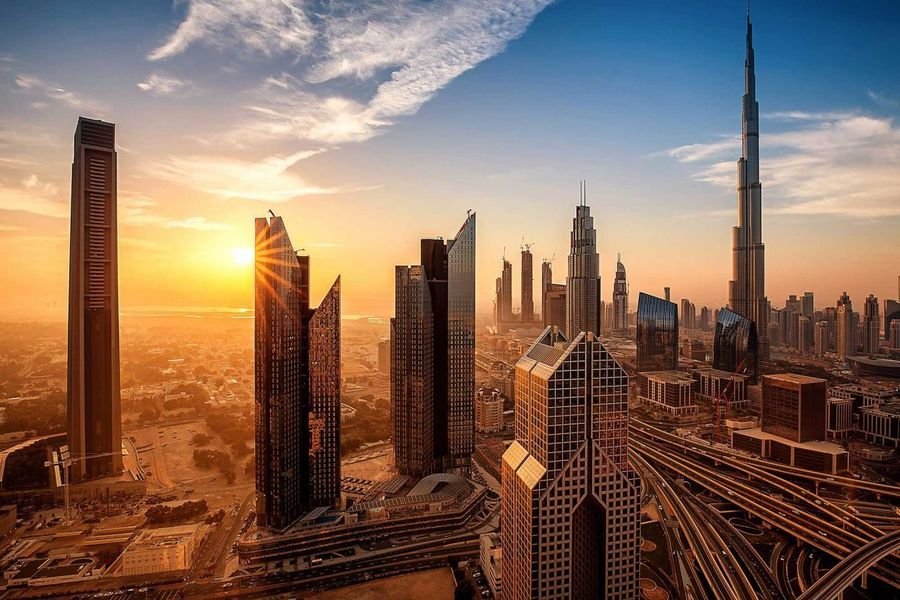

Buy Property in Dubai

Best Areas to Invest in Dubai in 2026

  • Dubai Marina
  • Downtown Dubai
  • Business Bay
  • Dubai Hills Estate
  • Jumeirah Village Circle (JVC)
  • Palm Jumeirah
  • Dubai Creek Harbour

Each location offers different advantages, from rental income to luxury lifestyle and long-term growth.


Key Risks to Consider Before Buying

  • Developer credibility
  • Service charges
  • Market fluctuations
  • Mortgage interest rates

These risks can be minimized with proper research and expert guidance.


Why 2026 Is Still a Strong Time to Buy

  • Strong economic growth
  • Increasing population
  • Limited prime property supply
  • High rental demand
  • Long-term government vision

Dubai continues to offer one of the best real estate opportunities globally.


Final Verdict: Is It a Good Time to Buy Property in Dubai?

Yes — 2026 remains a strong time to invest in Dubai real estate.

The market offers high returns, strong demand, and long-term growth potential. However, success depends on choosing the right property, location, and investment strategy.


Frequently Asked Questions

Is 2026 a good year to invest in Dubai real estate?

Yes, due to strong market fundamentals, high rental yields, and investor-friendly policies.

Will property prices fall in Dubai?

Some areas may stabilize, but long-term growth remains positive.

Can foreigners buy property in Dubai?

Yes, foreigners can buy property in designated freehold areas with full ownership.

What is the average ROI in Dubai?

Rental yields typically range from 5% to 8% depending on the property type.


Need Expert Guidance?

If you are planning to invest in Dubai property, our team at Solanki Properties can help you choose the right investment.
Contact Us Today

Categories
News

Freehold vs Leasehold Property in Dubai: What’s the Real Difference?

Freehold vs Leasehold Property in Dubai: What’s the Real Difference?

Dubai’s real estate market is one of the most attractive investment destinations in the world. Since foreign ownership was introduced in 2003, global investors have entered the market in large numbers. However, many buyers still ask one important question:

What is the difference between freehold and leasehold property in Dubai?

Understanding property ownership structures is essential before investing. Your choice between freehold and leasehold can impact long-term value, flexibility, resale potential, and residency eligibility.

Freehold vs Leasehold Property in Dubai - ownership comparison guide

Understanding Freehold vs Leasehold Property in Dubai

What is Freehold Property in Dubai?

A freehold property in Dubai grants full ownership of both the property and the land it stands on. This ownership is permanent and fully transferable.

  • Full ownership of property and land
  • Right to sell anytime
  • Right to lease or rent out
  • Ability to renovate (as per community rules)
  • Transferable to heirs

Freehold ownership is available to UAE nationals, GCC nationals, and foreign investors in designated areas approved by the government.


What is Leasehold Property in Dubai?

A leasehold property in Dubai provides ownership rights for a fixed period, typically between 30 and 99 years. The buyer owns the property during the lease term but not the land.

  • Ownership for a fixed duration
  • Land remains owned by freeholder
  • Property can be rented or sold within lease term
  • Structural changes may require approval
  • Lease renewal required after expiry

Key Differences Between Freehold and Leasehold in Dubai

Factor Freehold Property Leasehold Property
Ownership Duration Permanent Fixed term (30–99 years)
Land Ownership Yes No
Control & Modifications Full control Limited (approval required)
Renewal Requirement Not required Required after lease term
Inheritance Rights Fully transferable Transferable within lease term
Investment Potential Strong long-term growth Moderate appreciation

Legal Framework for Property Ownership in Dubai

Freehold Property Law

Freehold ownership is governed by Dubai Law No. 7 of 2006, which allows foreign investors to own property in designated areas. Ownership is registered through the Dubai Land Department (DLD), ensuring transparency and legal protection.

Leasehold Property Law

Leasehold arrangements are governed by tenancy regulations and contractual agreements between the lessee and the freeholder. Lease contracts define duration, renewal terms, and property usage rights.


Popular Freehold Areas in Dubai

  • Downtown Dubai
  • Dubai Marina
  • Palm Jumeirah
  • Business Bay
  • Dubai Hills Estate
  • Jumeirah Village Circle (JVC)
  • Dubai Creek Harbour
  • Arabian Ranches

Popular Leasehold Areas in Dubai

  • Al Barsha
  • Al Wasl
  • Jumeirah (selected zones)
  • Al Safa
  • Mirdif
  • Umm Suqeim

Investment Strategy: Freehold vs Leasehold

When to Choose Freehold Property

  • Long-term capital appreciation
  • Golden Visa eligibility
  • Full resale flexibility
  • Inheritance planning
  • Permanent ownership security

When to Choose Leasehold Property

  • Lower entry cost
  • Short-to-mid-term holding plan
  • Preference for specific traditional communities
  • Comfort with fixed-term ownership

Common Misconceptions

Leasehold means renting.

Leasehold provides ownership rights for the lease duration, not rental tenancy.

Foreigners cannot buy freehold.

Foreign investors can buy freehold properties in designated areas across Dubai.

Leasehold properties lose all value after expiry.

Many lease agreements allow renewal subject to contractual terms.

Freehold ownership has no ongoing costs.

Freehold owners still pay service charges and community maintenance fees.


Final Verdict: Which is Better?

When comparing Freehold vs Leasehold Property in Dubai, the key difference lies in ownership rights and duration.

For most investors and expats, freehold property offers stronger long-term security, flexibility, and appreciation potential. Leasehold may suit specific short-term or budget-driven strategies.

Before investing, align your ownership type with your financial goals, residency plans, and exit strategy.


Frequently Asked Questions

Can foreigners buy freehold property in Dubai?

Yes, foreign investors can purchase freehold property in government-approved areas.

Is leasehold property cheaper in Dubai?

Leasehold properties may offer lower upfront prices compared to freehold in similar locations.

Does freehold property qualify for residency?

Certain freehold property investments may support eligibility for long-term residency programs.

Which is better for long-term investment?

Freehold property is generally preferred for long-term capital growth and asset security.


Need Expert Guidance?

If you are planning to invest in Dubai property and need personalized advice, our team can help you choose the right ownership structure based on your goals.

Contact Us Today

Categories
News

Off-Plan vs Ready Property in Dubai – Which is Better in 2026?

Off-Plan vs Ready Property in Dubai – Which is Better in 2026?

Dubai’s real estate market continues to attract global investors, NRIs, and end-users looking for strong returns and long-term growth. One of the most common questions investors ask is:

Should you buy an off-plan property in Dubai or invest in a ready property in Dubai?

Both options offer excellent opportunities. However, the right choice depends on your investment goal, budget, risk appetite, and timeline. In this complete guide, we compare Off-Plan vs Ready Property in Dubai across pricing, ROI, rental income, risks, and appreciation potential.

Off-Plan vs Ready Property in Dubai Comparison 2026

What is an Off-Plan Property in Dubai?

An off-plan property in Dubai is purchased directly from a developer while it is still under construction. Buyers invest at launch or early stages and receive the property at completion.

  • Lower launch prices
  • Flexible payment plans
  • High appreciation potential
  • Modern layouts and smart features

What is a Ready Property in Dubai?

A ready property in Dubai is fully completed and available for immediate occupancy or rental. Buyers can inspect the actual unit before purchase.

  • Immediate move-in
  • Instant rental income
  • Established communities
  • Lower uncertainty

Off-Plan vs Ready Property in Dubai – Key Differences

1) Price Comparison

Off-plan properties are generally priced lower than ready properties in the same location. Developers offer early-buyer incentives and installment-based payment plans.

Ready properties typically cost more because construction is complete and market value is established.

2) Payment Structure

One major advantage of off-plan property in Dubai is flexible payment options such as:

  • 10% booking
  • 40% during construction
  • 50% on handover

In contrast, ready properties require a higher upfront payment or mortgage down payment.


3) Rental Income Potential

If your goal is immediate income, ready property Dubai is often the better option. Rental yields in Dubai typically range between 6%–9% depending on area and property type.

Off-plan properties begin generating income only after completion, which may take 2–4 years.


4) Capital Appreciation

Off-plan investments often offer stronger price growth because investors enter at launch pricing. As construction progresses and demand increases, value may rise before handover.

Ready properties typically appreciate steadily but may not offer the same early-stage price advantage.


5) Risk Comparison

Off-plan risks:

  • Construction delays
  • Market fluctuations
  • Developer reliability

Ready property risks:

  • Maintenance costs
  • Service charges
  • Market price corrections

Who Should Buy Off-Plan Property in Dubai?

  • Investors planning for 3–5 years
  • Buyers with limited initial capital
  • Those targeting higher appreciation
  • Investors comfortable waiting for handover

Who Should Buy Ready Property in Dubai?

  • Investors seeking rental income
  • End-users relocating immediately
  • Buyers preferring lower uncertainty
  • Mortgage buyers

Quick Comparison Table

Factor Off-Plan Property Ready Property
Price Lower (launch offers) Higher (market value)
Payment Plan Flexible installments Higher upfront payment
Rental Income After completion Immediate
Appreciation Higher potential Moderate growth
Risk Medium Low

Final Verdict – Which is Better?

The better option depends entirely on your financial goals.

  • Choose Off-Plan if you want lower entry price and higher appreciation potential.
  • Choose Ready if you want immediate rental income and lower risk.

Many experienced investors diversify by owning both types of properties in Dubai.


Frequently Asked Questions

Is off-plan property in Dubai safe?

Yes. Dubai has strong escrow regulations and developer approval systems to protect buyer funds.

Can I sell off-plan property before completion?

Yes, subject to developer terms and minimum payment percentage conditions mentioned in the SPA.

Which gives better ROI?

Off-plan properties may offer higher appreciation, while ready properties provide immediate rental income. The better choice depends on your goal.


Need Expert Advice?

If you want personalised guidance based on your budget and investment strategy, contact our team for a free consultation.

Contact Us Today

×
Digital Card
Back to top

Reset password

Enter your email address and we will send you a link to change your password.

Get started with your account

to save your favourite homes and more

Sign up with email

Get started with your account

to save your favourite homes and more

By clicking the «SIGN UP» button you agree to the Terms of Use and Privacy Policy
Powered by Estatik