Categories
News

How Much Rental Income Can You Expect from Dubai Property?

How Much Rental Income Can You Expect from Dubai Property?

Rental income is one of the strongest reasons global investors are attracted to Dubai’s real estate market. Whether you are a first-time buyer, an NRI, or an experienced investor, one question always comes up:

How much rental income can you expect from Dubai property?

The answer is not a fixed number. Rental income in Dubai depends on multiple factors such as property type, location, purchase price, service charges, and the overall rental demand in that area. Investors who understand these factors clearly tend to make far better decisions than those who rely only on advertised yields.

This detailed guide explains rental income expectations in Dubai using practical examples, market logic, and investor-focused insights so you can plan realistically.
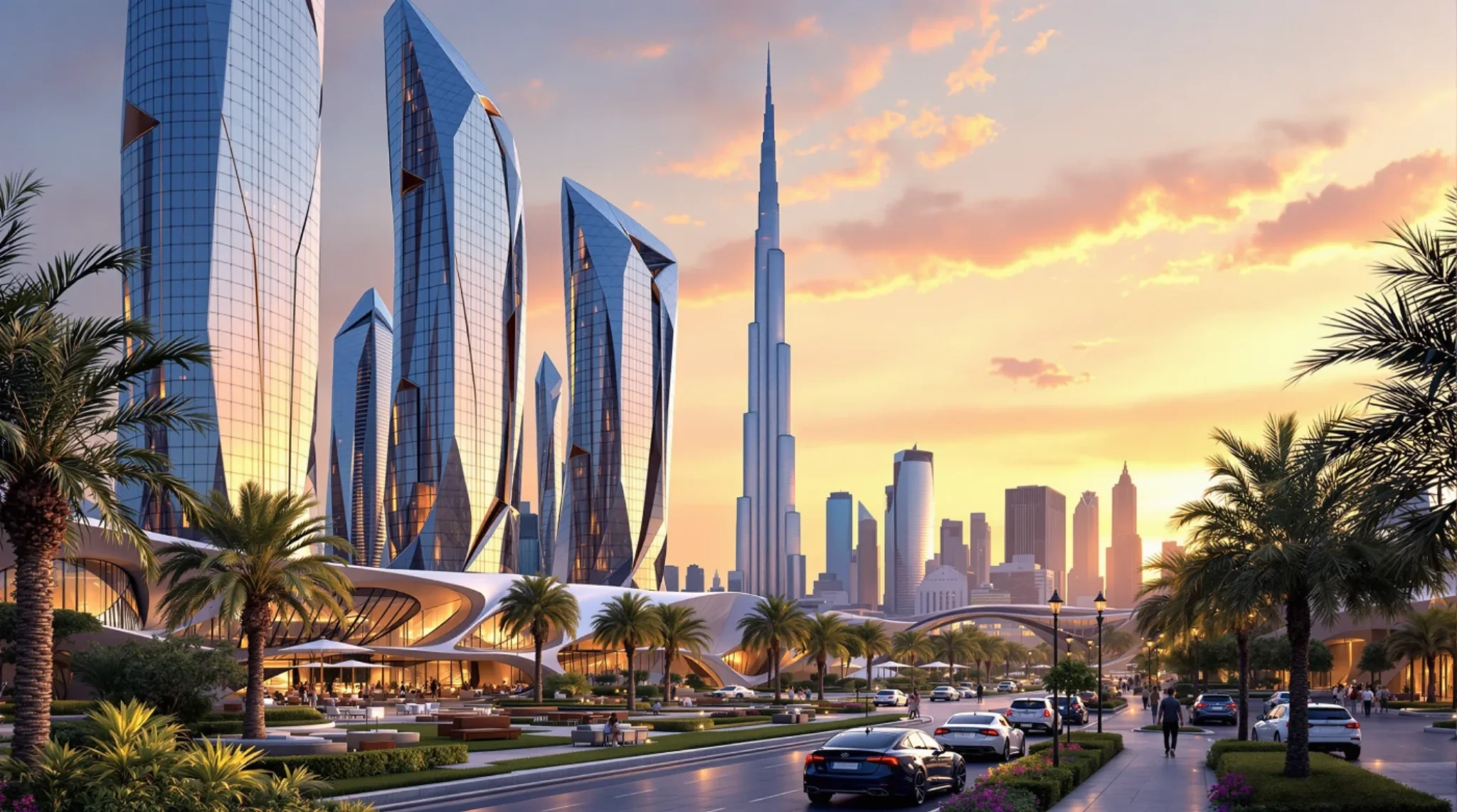
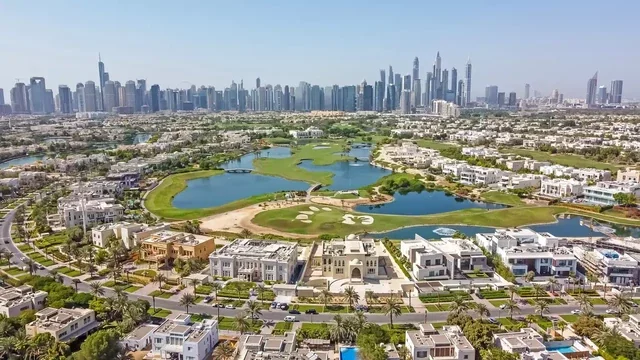
rental income from Dubai property


Why Rental Income from Dubai Property Attracts Global Investors

Dubai has developed into one of the most landlord-friendly real estate markets globally. A large portion of the population lives in rented homes, which naturally creates consistent demand across different budget segments.

Some key reasons why investors focus on rental income from Dubai property include:

  • A continuously growing expatriate population
  • Strong demand for rental housing across studios, apartments, and villas
  • No annual property tax on rental income
  • Clear rental laws and dispute mechanisms
  • Demand from professionals, families, and international tenants

Because of these factors, rental income in Dubai is often higher than many mature global property markets when compared on a net basis.


Average Rental Income from Dubai Property: Realistic Expectations

Instead of looking only at percentages, investors should focus on actual rental income ranges. Below is a realistic overview based on typical market behavior.

Studio Apartments

Studios are among the most popular rental units in Dubai, especially in areas with a high concentration of working professionals.

  • Typical purchase price: AED 350,000 – AED 600,000
  • Average annual rental income: AED 30,000 – AED 45,000

Studios generally offer good occupancy levels, but investors must pay close attention to service charges, as they can significantly impact net income.

1-Bedroom Apartments

One-bedroom apartments attract couples, professionals, and small families, making them one of the most balanced rental assets.

  • Typical purchase price: AED 650,000 – AED 1,200,000
  • Average annual rental income: AED 45,000 – AED 75,000

These units often strike a good balance between rental income, demand stability, and resale flexibility.

2-Bedroom Apartments

Two-bedroom apartments are preferred by families and long-term tenants who value space and stability.

  • Typical purchase price: AED 1.1 million – AED 1.8 million
  • Average annual rental income: AED 70,000 – AED 110,000

While the entry cost is higher, vacancy risk is usually lower due to family-oriented demand.

Villas and Townhouses

Villas and townhouses attract families looking for long-term residence and community living.

  • Typical purchase price: AED 1.8 million and above
  • Average annual rental income: AED 110,000 – AED 220,000+

Rental yields may appear lower compared to apartments, but villas often benefit from stronger long-term appreciation.


Rental Income vs Rental Yield: Understanding the Difference

Many investors focus heavily on rental yield percentages, but rental income (actual cash flow) is equally important.

Rental Yield is calculated as:

Annual Rent ÷ Property Purchase Price

In Dubai, gross rental yields typically range between:

  • 6% to 9% for apartments
  • 4% to 6% for villas

However, net rental income depends on expenses such as service charges, maintenance, management fees, and vacancy periods.


Key Factors That Affect Rental Income from Dubai Property

Location

Location plays the most critical role in determining rental income. Properties near employment hubs, transport links, schools, and lifestyle amenities usually rent faster and retain value better.

Property Layout and Design

Efficient layouts often outperform larger but poorly designed units. Tenants prioritize usable space, natural light, and storage.

Service Charges

High service charges can significantly reduce net rental income. Investors should always calculate returns after deducting these recurring costs.

Building Quality and Maintenance

Well-maintained buildings attract better tenants and experience lower vacancy rates.

Market Conditions

Rental income can fluctuate based on supply, demand, and overall economic conditions, making long-term planning essential.


Short-Term vs Long-Term Rental Income in Dubai

Long-Term Rentals

Long-term rentals provide predictable income and lower management effort.

  • Stable tenants
  • Lower vacancy risk
  • Minimal management involvement
Short-Term Rentals (Holiday Homes)

Short-term rentals can generate higher gross income but involve higher operational complexity.

  • Seasonal demand
  • Higher maintenance and management costs
  • Licensing and regulatory requirements

Not all properties or locations are suitable for short-term rental strategies.


Can Rental Income Cover Mortgage EMI in Dubai?

In certain scenarios, rental income can partially or fully cover mortgage payments. However, this depends on:

  • Down payment amount
  • Interest rate and loan tenure
  • Purchase price and rental demand
  • Service charges and running costs

Investors should always use conservative assumptions when evaluating EMI coverage.


Common Mistakes Investors Make with Rental Income Expectations

  • Assuming guaranteed rental returns
  • Ignoring service charges and maintenance costs
  • Overestimating short-term rental income
  • Buying only for yield without exit planning

A realistic approach usually leads to better long-term results.


Is Rental Income from Dubai Property Sustainable Long-Term?

Dubai’s rental market is supported by population growth, job creation, tourism, and global business activity. While rental prices may fluctuate, well-located properties with good management tend to perform consistently over time.

Investors who focus on fundamentals rather than short-term hype usually achieve stable rental income.


Final Thoughts

So, how much rental income can you expect from Dubai property?

The answer depends on what you buy, where you buy, and how carefully you plan. Dubai offers strong rental opportunities, but success comes from understanding costs, demand, and long-term strategy.

If you are evaluating locations, you may also find it useful to read our guide on best areas in Dubai for rental income, which explains demand-driven investment zones.

For official rental regulations and ownership guidelines, investors should always refer to information provided by the Dubai Land Department.
Categories
News

Common Mistakes to Avoid When Buying Property in Dubai

Common Mistakes When Buying Property in Dubai

Common mistakes when buying property in Dubai often happen not because the market is unsafe, but because buyers rush decisions or misunderstand how the system works. Dubai offers strong opportunities, but only when approached with clarity and planning.

Buying real estate is one of the biggest financial decisions a person can make. When this decision involves an international market like Dubai, correct research and structured planning become even more important.

This detailed guide explains the most common mistakes when buying property in Dubai and helps investors understand how to avoid financial, legal, and strategic errors.


Why Common Mistakes When Buying Property in Dubai Happen

Dubai attracts global investors due to its tax-free structure, strong rental demand, and modern infrastructure. However, the same popularity also creates marketing pressure, urgency-based offers, and emotional buying decisions.

Most mistakes occur because buyers:

  • Rely only on advertisements instead of verified data
  • Do not understand Dubai’s property buying process
  • Compare Dubai prices incorrectly with their home country
  • Focus on discounts rather than long-term value

Understanding these patterns early helps buyers approach the market logically instead of emotionally.

common mistakes when buying property in Dubai


Common Mistake 1: Not Calculating the Total Cost When Buying Property in Dubai

One of the most common mistakes when buying property in Dubai is assuming that the advertised price is the final amount. In reality, buyers must also plan for government and transaction-related charges.

These additional costs usually include:

  • Dubai Land Department fee
  • Title deed and registration charges
  • Trustee office and administrative fees
  • Agent service charges, where applicable

Failing to calculate the full cost can disturb budgets and reduce expected returns.


Common Mistake 2: Choosing Price Over Location

Another common mistake when buying property in Dubai is selecting the cheapest unit without evaluating the location.

Location directly affects:

  • Rental demand and vacancy risk
  • Ease of resale
  • Long-term price appreciation

A well-located property usually performs better than a cheaper unit in a weak location.


Common Mistake 3: Ignoring Service Charges and Maintenance Costs

Service charges are recurring annual costs paid by property owners. Ignoring them is a common mistake when buying property in Dubai.

Before buying, investors should always review:

  • Service charge rate per square foot
  • What services are included
  • Overall maintenance quality

High service charges can significantly reduce net rental income.


Common Mistake 4: Not Understanding Off-Plan vs Ready Property

Choosing between off-plan and ready property without understanding the differences is another frequent mistake.

Off-plan properties usually offer lower entry prices and flexible payment plans, while ready properties provide immediate rental income and ownership certainty.

Selecting the wrong option can create cash-flow stress.


Common Mistake 5: Not Verifying the Developer

Not checking a developer’s track record is one of the riskiest mistakes when buying property in Dubai.

Buyers should verify:

  • Previous project delivery history
  • Construction quality
  • Escrow registration for off-plan projects

Common Mistake 6: Buying Without a Clear Investment Goal

Some buyers purchase property without deciding whether the goal is rental income, capital appreciation, or personal use.

Without clarity, even a good property can feel like a bad decision.


Common Mistake 7: Expecting Guaranteed Returns

No market offers guaranteed returns. Believing otherwise is a serious mistake when buying property in Dubai.

Smart investors focus on realistic expectations and long-term fundamentals.


Common Mistake 8: Skipping Professional Guidance

Skipping professional advice can lead to legal, pricing, and documentation errors.

Experienced consultants help buyers avoid common mistakes when buying property in Dubai.


Common Mistake 9: Not Planning an Exit Strategy

An exit strategy helps evaluate resale demand and long-term liquidity.

Ignoring this step can reduce flexibility in the future.


Final Thoughts on Common Mistakes When Buying Property in Dubai

Dubai remains a strong real estate market, but success depends on awareness and planning.

By avoiding these common mistakes when buying property in Dubai, investors can protect capital, improve returns, and make confident decisions.

If you are still researching locations, you may find our guide on the best places to buy property in Dubai helpful.

For official property ownership rules, investors should refer to information provided by the Dubai Land Department.
Categories
News

How Much Minimum Investment Is Required to Buy Property in Dubai?

Buy Property in Dubai: Minimum Investment Required in 2026

If you are planning to buy property in Dubai, one of the most common and practical questions that comes to mind is:

What minimum investment is required to buy property in Dubai?

This question is important because the actual investment amount is not limited to the property price you see in advertisements. The real cost depends on several factors such as the type of property, whether it is off-plan or ready, government charges, and your long-term investment objective.

Dubai is considered one of the most accessible global real estate markets, especially for international buyers. With proper planning, even first-time investors can enter the market with a controlled budget.


Minimum Investment Required to Buy Property in Dubai

For most investors, the minimum investment required to buy property in Dubai usually starts from the following price ranges:

  • Off-plan studio apartments starting from AED 350,000 to AED 450,000
  • Ready studio apartments starting from AED 450,000 to AED 650,000
  • Off-plan 1-bedroom apartments starting from AED 650,000 to AED 900,000

These figures represent entry-level prices in selected communities. The final investment amount will increase once government fees, registration charges, and other transaction-related costs are added.

For buyers with a slightly higher budget, better-quality buildings and locations become available, which often improves rental stability and long-term appreciation.


buy property in Dubai minimum investment


Why Dubai Is Considered an Investor-Friendly Property Market

Dubai has built a strong reputation as a transparent and well-regulated real estate market. Many international investors choose Dubai because it offers advantages that are difficult to find in other major cities.

Some of the key reasons why buyers prefer to buy property in Dubai include:

  • Foreign nationals can purchase freehold property in designated areas
  • No annual property tax, which improves net rental returns
  • No capital gains tax when selling property
  • Strong rental demand driven by population growth and job opportunities
  • Clear regulations governed by Dubai Land Department and RERA

These factors make Dubai suitable for both short-term rental investors and long-term wealth planners.


Minimum Investment by Property Type

Studio Apartments: Lowest Entry Point

Studio apartments are considered the most affordable way to enter the Dubai property market. They are especially popular among first-time investors and buyers looking for rental income.

Studios generally require a lower purchase price and are easier to rent due to consistent demand from professionals and single occupants.

  • Lower overall purchase cost
  • High demand in rental-focused communities
  • Easier resale compared to larger units in the same budget range

For investors with limited capital, studios often provide a balanced combination of affordability and rental potential.

1-Bedroom Apartments: Better Space and Stability

One-bedroom apartments require a higher minimum investment but offer better living space and a wider tenant base.

These units are suitable for couples, small families, and long-term tenants, which can result in better occupancy stability.

  • Stronger demand from end-users and families
  • Better long-term appreciation potential
  • More flexibility for resale and self-use

Many investors upgrade from studios to 1-bedroom units as their portfolio grows.

Townhouses and Villas: Higher Capital Investment

Townhouses and villas fall into a higher investment category and are usually chosen by end-users or investors focusing on long-term appreciation.

  • Townhouses typically start from AED 1.5 million
  • Villas typically start from AED 2.5 million or more

These properties are better suited for family living, lifestyle upgrades, and Golden Visa planning rather than entry-level investment.


Off-Plan vs Ready Property: How Investment Differs

Off-Plan Properties

Off-plan properties are purchased during the construction phase. They usually require a lower upfront payment, which helps investors manage cash flow.

Many developers offer structured payment plans that spread the cost over the construction period.

  • Lower booking amount, often between 10% and 20%
  • Flexible payment schedules over several years
  • Potential price appreciation before handover

Off-plan properties are often preferred by investors looking to enter the market with a lower initial investment.

Ready Properties

Ready properties are completed units that can be occupied or rented immediately.

Although the upfront cost is higher, these properties generate rental income from day one.

  • Immediate rental cash flow
  • No construction or handover risk
  • Clear ownership transfer at purchase

Additional Costs to Include in Your Investment Budget

To accurately calculate the minimum investment required to buy property in Dubai, buyers must include mandatory government and transaction charges.

  • Dubai Land Department fee (4% of the property value)
  • Title deed and registration charges
  • Trustee office and administrative fees

Example:
If the property price is AED 400,000, the total investment including fees can reach approximately AED 420,000 to AED 430,000.

Planning these costs in advance helps avoid last-minute financial pressure.


Can Foreigners and NRIs Buy Property in Dubai?

Yes. Foreign nationals and NRIs can legally buy property in Dubai in designated freehold zones.

There is no requirement for UAE residency or a local sponsor to purchase property. The minimum investment required to buy property in Dubai remains the same for residents and non-residents.


Minimum Investment for Golden Visa Through Property

Buying property and qualifying for a Golden Visa are two different investment goals.

Golden Visa eligibility through real estate typically requires a higher total property value, often around AED 2 million, subject to official regulations.

Investors planning residency benefits should structure their purchases accordingly.


Rental Income Potential With Minimum Investment

Properties such as studios and 1-bedroom apartments often generate stable rental demand when located in well-connected communities.

Rental performance depends on:

  • Location and accessibility
  • Building quality and maintenance
  • Annual service charges
  • Market supply and demand

Rental income is not guaranteed, but careful selection can improve long-term performance.


Common Mistakes Investors Should Avoid

  • Ignoring government and registration fees
  • Buying property based only on the lowest price
  • Overlooking service charges and maintenance costs
  • Assuming guaranteed rental returns

Final Thoughts

The minimum investment required to buy property in Dubai can start from AED 350,000, but a more realistic budget including fees usually begins from around AED 425,000.

With proper planning, the right property type, and a clear investment goal, Dubai continues to offer strong opportunities for both new and experienced property investors.


If you are still exploring locations, you may also find it helpful to read our detailed guide on the best places to buy property in Dubai, which covers high-demand areas for both rental income and long-term growth.

For official rules related to property registration, ownership, and buyer protection, investors should always refer to the guidelines published by the Dubai Land Department.
Categories
News

Dubai Rental Income & Capital Appreciation: 7 Smart Areas to Invest in 2025


Dubai rental income & capital appreciation have become the primary reasons why global investors are increasingly choosing Dubai as their preferred real estate destination. With tax-free rental returns, high tenant demand, strong legal protection, and long-term infrastructure planning, Dubai offers a rare combination of stable monthly income and long-term property value growth.

Unlike many global cities where investors must choose between rental yield or price growth, Dubai rental income & capital appreciation work together, allowing investors to build cash flow today while securing wealth for the future. In this detailed guide, we explore the smartest areas in Dubai where both factors perform consistently well.


Why Dubai Rental Income & Capital Appreciation Matter for Investors

For property investors, success depends on two things: how much income a property generates and how much its value grows over time. Dubai rental income & capital appreciation offer a balanced investment model supported by strong fundamentals.

Dubai’s growing population, expanding business ecosystem, and constant inflow of expatriates create sustained rental demand. At the same time, large-scale infrastructure projects, limited prime land, and long-term urban planning drive capital appreciation across key locations.

According to official data published by the Dubai Land Department, Dubai continues to attract international investors due to strong transaction volumes, rental stability, and long-term growth confidence.


How Dubai Rental Income & Capital Appreciation Work Together

Investors often focus on one metric, but the most successful portfolios combine both. Dubai rental income & capital appreciation complement each other when the right location is selected.

Established communities provide consistent rental income, while emerging and premium districts offer stronger capital appreciation. A well-planned strategy allows investors to benefit from immediate cash flow while positioning assets for future growth.


Dubai Rental Income & Capital Appreciation in Prime Locations

Not all areas in Dubai perform equally. Location selection plays a crucial role in maximizing Dubai rental income & capital appreciation. Below are the top-performing areas based on rental demand, price growth, and long-term investment potential.


1. Dubai Marina

High Rental Demand with Proven Capital Growth

Dubai Marina is one of the most reliable locations for Dubai rental income & capital appreciation. Its waterfront lifestyle, metro connectivity, and proximity to business hubs make it a constant favorite among tenants.

Rental demand remains strong throughout the year, ensuring minimal vacancy periods. Limited land availability and mature infrastructure continue to support long-term capital appreciation.

  • Strong demand for furnished apartments
  • Excellent short-term and long-term rental potential
  • High resale liquidity

2. Business Bay

Central Location Driving Rental Income

Business Bay benefits from its strategic location near Downtown Dubai and DIFC. Professionals working in nearby commercial hubs prefer living close to work, keeping rental demand strong.

This area delivers stable Dubai rental income & capital appreciation due to continuous development and improving lifestyle infrastructure.

  • Consistent corporate tenant demand
  • Competitive entry prices compared to Downtown
  • Strong future growth outlook


Dubai rental income & capital appreciation investment areas


3. Jumeirah Village Circle (JVC)

Affordable Entry with High Rental Yield

JVC has become one of the most popular communities for investors focused on Dubai rental income & capital appreciation with a moderate budget.

Affordable prices, family-friendly living, and growing amenities keep occupancy levels high. As the community continues to mature, steady capital appreciation follows.

  • High occupancy rates
  • Strong demand for studios and one-bedroom units
  • Budget-friendly investment opportunities

4. Downtown Dubai

Luxury Rentals with Global Appeal

Downtown Dubai represents the premium segment of Dubai rental income & capital appreciation. Home to world-famous landmarks, it attracts high-net-worth tenants and international buyers.

While entry prices are higher, rental stability and long-term value retention make Downtown a safe investment choice.

  • Luxury tenant demand
  • Limited new supply
  • Strong resale confidence

5. Dubai Creek Harbour

Future-Oriented Capital Appreciation Zone

Dubai Creek Harbour is designed as a next-generation waterfront district. While rental income is still developing, the main strength lies in future capital appreciation.

Early investors benefit from long-term price growth driven by premium positioning and limited waterfront supply.

  • High-quality developments
  • Premium tenant profile
  • Strong long-term appreciation potential

6. Dubai South

Emerging Area with Long-Term Growth

Dubai South offers early-stage opportunities for investors focused on future growth. Rental demand is increasing as infrastructure and employment hubs expand.

This area supports Dubai rental income & capital appreciation over the long term due to strategic planning and large-scale development.

  • Affordable entry prices
  • Growing tenant demand
  • Future infrastructure-driven growth

7. Dubai Hills Estate

Family Lifestyle Hub with Strong Long-Term Growth

Dubai Hills Estate is one of the best-balanced communities for Dubai rental income & capital appreciation. It attracts a premium tenant base including families, corporate professionals, and long-term residents because of its master-planned layout, greenery, schools, retail, and easy access to key business zones.

Rental demand stays strong due to lifestyle appeal and limited high-quality family communities in central Dubai. At the same time, ongoing development, premium positioning, and high end-user demand support consistent capital appreciation over time.

  • Strong tenant demand from families and professionals
  • Premium community positioning supports long-term capital appreciation
  • Excellent connectivity to Downtown, Business Bay, and key highways

Best for: Investors who want stable, low-vacancy rentals with long-term capital growth in a premium family-focused community.


Rental Income vs Capital Appreciation: Choosing the Right Balance

Some investors prioritize monthly income, while others focus on long-term gains. The most effective approach combines both.

Dubai rental income & capital appreciation allow investors to diversify across established and emerging areas, balancing cash flow with future growth.

  • Rental-focused areas: Dubai Marina, JVC, Business Bay
  • Appreciation-focused areas: Downtown Dubai, Dubai Creek Harbour, Dubai South

Why Choose Solanki Properties?

At Solanki Properties, we help investors identify the best opportunities for Dubai rental income & capital appreciation through verified projects, transparent advice, and market-driven strategies.

From property selection to handover support, our team ensures every investment decision is informed, secure, and aligned with long-term goals.


Conclusion

Dubai continues to stand out as one of the world’s most balanced real estate markets. With the right location strategy, Dubai rental income & capital appreciation can work together to deliver stable returns and long-term wealth.

By partnering with experienced advisors and focusing on high-demand areas, investors can confidently build a strong real estate portfolio in Dubai.

Categories
News

Will Dubai Property Prices Rise in 2026? Expert Predictions & Market Outlook


Dubai Property remains one of the most desired investment assets globally, attracting buyers, end users, and high-net-worth individuals from every part of the world. As we move toward 2026, investors are increasingly asking one crucial question: Will Dubai property prices rise in 2026?

The latest expert analysis indicates a clear trend: Yes — Dubai property prices are expected to increase in 2026. However, the pace of growth will be more balanced and sustainable compared to the sharp upward cycle that occurred between 2021 and 2024. Instead of speculative spikes, the 2026 market is being shaped by strong real demand, lifestyle migration, new job creation, and record-breaking numbers of expatriates relocating to Dubai.

Several long-term fundamentals are supporting the upward direction of Dubai property values. The city continues to experience population growth exceeding 100,000 new residents annually, and these residents require homes across all segments, affordable, mid-market, and luxury. Rental prices remain strong, vacancy rates are extremely low in major communities, and international investors consider Dubai a safe-haven market because of its tax-free environment and stable governance.

In addition, major infrastructure projects such as Dubai 2040 Urban Master Plan, Blue Line Metro expansion, Al Maktoum Airport mega development, Palm Jebel Ali, and new master communities are expected to significantly increase demand in surrounding areas. These projects not only enhance lifestyle quality but also elevate long-term capital appreciation, making Dubai Property one of the most future-proof investment categories globally.

This expert report breaks down every major factor influencing price growth in 2026, helping investors understand where the market is headed and which segments offer the strongest potential.


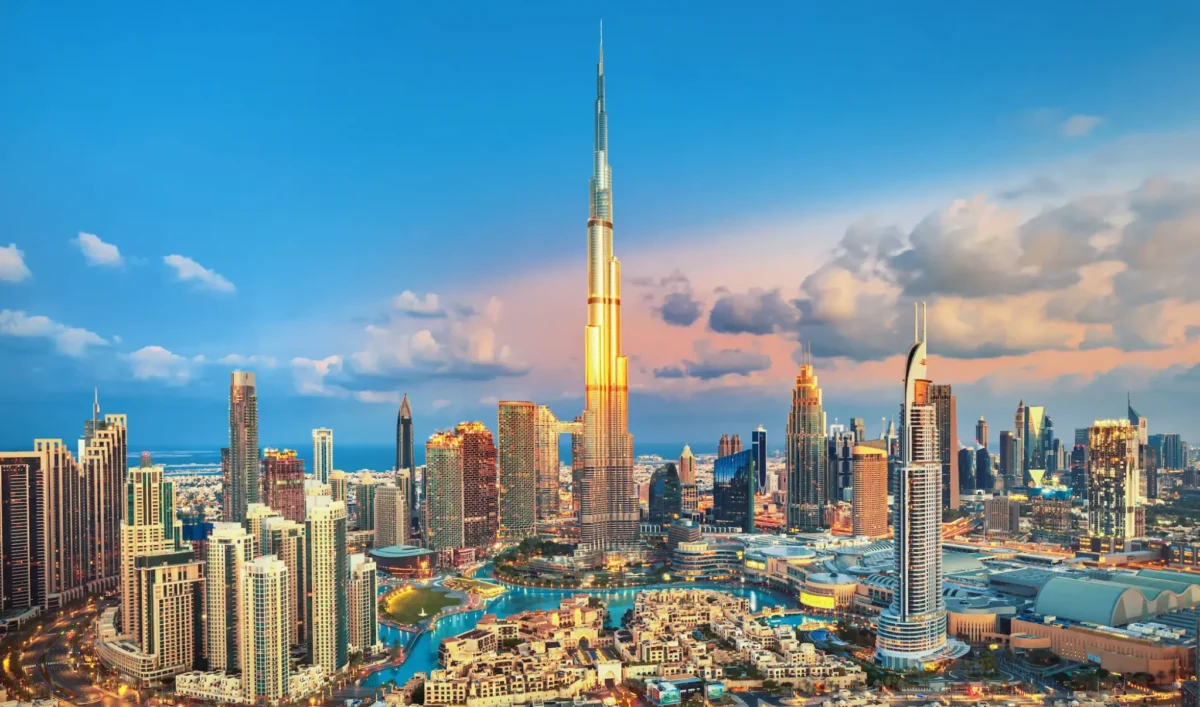
Dubai property market skyline 2026

1. Overview — How Did Dubai Property Perform in 2025?

Before predicting 2026, it’s important to understand how the market performed in 2025. Last year saw:

  • Record-breaking transactions across apartments, villas, and off-plan developments.
  • Strong demand from foreign investors and high-net-worth individuals.
  • Limited supply in prime villa and townhouse communities.
  • Consistent rental growth across nearly all districts.
  • An influx of Golden Visa applicants, boosting long-term investment activity.

This momentum sets the stage for a healthy and stable growth pattern in 2026. The Dubai property market is now maturing — moving from a speculative phase toward long-term sustainability.


2. Will Dubai Property Prices Rise in 2026?

Based on expert predictions, government data, and developer insights, the consensus is:

✔ Prices will rise moderately in 2026 — estimated growth: 3% to 7% overall.

However, growth rates will vary by area, property type, and demand characteristics. Villas may stabilise, while affordable and mid-market apartments may see stronger rises.

Key drivers of 2026 price growth:
  • Strong population increase (expected to exceed 4.1 million residents)
  • New visa reforms encouraging long-term residency
  • High rental demand from expatriates
  • Growing off-plan launch activity
  • Limited availability of ready stock in prime communities
  • Global investors shifting toward safe and tax-efficient markets

All these factors reinforce the long-term strength of Dubai Property as a global asset class.


3. Supply vs Demand — The Biggest Factor Affecting 2026 Prices

Dubai’s real estate market heavily depends on supply and demand dynamics. Here’s what the experts highlight:

✔ Population growth is outpacing new supply

Dubai expects more than 100,000 new residents annually. Many of them are professionals, entrepreneurs, and families relocating for long-term residency.

✔ Supply of villas continues to be limited

The shortage of standalone villas, especially in premium communities like Dubai Hills, Palm Jumeirah, and Jumeirah Islands, supports price stability.

✔ Apartment supply increasing – but not enough

Developers are launching new apartment towers rapidly, but the demand from expats and global investors keeps absorption high.

✔ Off-plan projects are selling faster than ever

This shows confidence in future price growth.


4. How Global Economic Trends Influence Dubai Property Prices

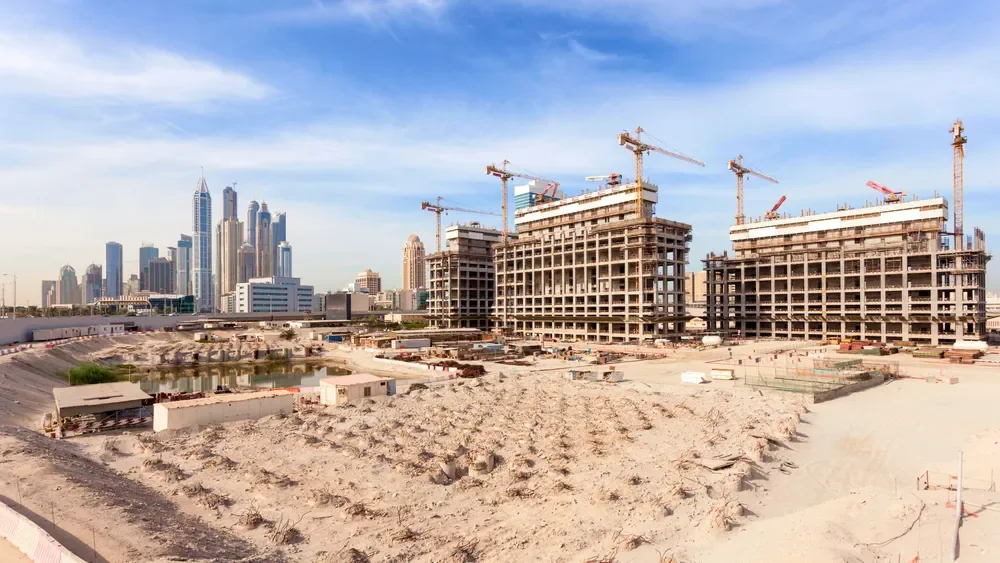
Dubai off-plan construction 2026

Dubai performs exceptionally well during global uncertainty. Investors often shift their capital toward:

  • Tax-free economies
  • Stable political environments
  • Safe-haven real estate markets

As interest rates begin to normalise worldwide in 2026 and inflation cools, more investors are expected to re-enter the real estate market — particularly Dubai.


5. Area-Wise Price Predictions for 2026

Here’s where experts expect the strongest growth in Dubai Property during 2026:

✔ Dubai South

Boosted by the airport expansion and Expo City developments, prices may rise 8%–12%.

✔ Arjan & JVC

Affordable housing demand will push 6%–10% growth.

✔ Business Bay

Strong rental demand from professionals will support 5%–8% appreciation.

✔ Dubai Marina

Steady tourism and waterfront living keep demand stable.

✔ Palm Jumeirah

Luxury villas may stabilise after previous years of high growth.


6. Impact of Golden Visa on Dubai Property Prices

The Golden Visa continues to drive long-term purchasing. Updated rules allow:

  • Property ownership starting from AED 2 million
  • Eligibility for off-plan properties
  • Joint-spouse ownership

This encourages end-user buyers instead of short-term flippers, resulting in more stable price growth.

Dubai Golden Visa Property Investment

Golden Visa investors prefer sustainable, long-term capital appreciation — which strengthens demand for Dubai Property in 2026.


7. Rental Market Trends Affecting 2026 Prices

Dubai’s rental market is one of the strongest in the world. Rising rents directly push property prices upward because more tenants choose to buy instead of rent.

✔ Expected rental growth in 2026: 5%–9%

Areas with the highest rental demand:

  • Business Bay
  • Dubai Marina
  • JVC
  • Dubai Hills
  • Dubai South

As rents rise, property prices inevitably follow.


8. Will Off-Plan Prices Increase in 2026?

Yes — off-plan pricing is expected to increase due to:

  • Modern amenities and smart home features
  • Flexible payment plans
  • Rising construction costs
  • High absorption rates

Developers launch each new phase at slightly higher prices — ensuring steady appreciation.


9. Expert Summary — What Should Investors Expect?

Dubai Property prices will rise in 2026, but the growth will be:

  • Stable, not explosive
  • Sustainable, supported by real demand
  • Location-specific, with some areas growing faster than others

Investors should focus on areas with strong infrastructure, high rental demand, and upcoming mega projects.


10. Conclusion — Should You Invest in Dubai Property in 2026?

Yes — 2026 is an excellent year to invest in Dubai property. The combination of population growth, limited supply, economic stability, and visa reforms forms a powerful foundation for long-term appreciation.

Whether you’re buying for rental income, capital growth, or Golden Visa eligibility, Dubai’s real estate market offers exceptional opportunities.


Need Expert Guidance?

Our team at Solanki Properties can help you select the best off-plan and ready properties in Dubai based on your goals.

Call/WhatsApp: +971 52 257 8734

Categories
News

Why Dubai South Is a Hotspot for Off-Plan Investment

Dubai’s real estate market continues to evolve rapidly, and one district that has emerged as a major growth hub is Dubai South. Once known primarily as the site of the world’s largest airport project, Dubai South has now transformed into a massive mixed-use development with residential communities, logistics zones, free zones, business districts, and Expo City Dubai. Because of its long-term vision, affordability, and infrastructure expansion, the area has become one of the strongest destinations for off-plan investment in Dubai.

Investors today are increasingly drawn to Dubai South due to its strategic location, future-ready master plan, government-backed development, and competitive pricing. Whether you’re a first-time investor or an experienced buyer looking to diversify your portfolio, Dubai South offers a compelling opportunity for sustainable growth, capital appreciation, and attractive rental yield.

This comprehensive guide explores why Dubai South has become a major hotspot for off-plan investment, the key benefits, the type of properties available, and how investors can capitalize on future market growth.

Dubai South off-plan investment


What Makes Dubai South a Strategic Real Estate Destination?

Dubai South spans over 145 square kilometers and was introduced as a master-planned “aerotropolis” — a city built around aviation, logistics, and international trade. It is designed to support businesses, tourism, and residential communities for over a million people in the future.

Several strategic advantages make Dubai South a prime destination for off-plan investment:

  • Home to Al Maktoum International Airport, projected to be the world’s largest airport.
  • Directly connected to Expo City Dubai, a new futuristic business and residential district.
  • Affordable property prices compared to central Dubai, with massive growth potential.
  • Long-term government-backed development ensures stable growth and infrastructure expansion.
  • Future metro connectivity via the Dubai Metro Route 2020 extension.
  • Growing job market due to aviation, logistics, hospitality, and technology sectors.

All these factors contribute to Dubai South’s rise as a thriving investment ecosystem, particularly for buyers looking for early entry into a high-growth district.


Understanding the Importance of Off-Plan Investment in Dubai

Dubai has one of the world’s most active off-plan markets, driven by flexible payment plans, reputable developers, and strong buyer protections through RERA and escrow regulations. For investors, off-plan investment offers the advantage of purchasing at lower entry prices and benefiting from capital appreciation as construction progresses.

Investing in off-plan property in Dubai South allows buyers to access the market early, capitalize on future infrastructure development, and enjoy flexible payment schedules spread over construction timelines.

Key Benefits of Off-Plan Investment

  • Lower entry prices compared to ready properties.
  • High potential appreciation during and after completion.
  • Flexible payment plans with 5–7 year structures.
  • Modern designs and amenities in newly launched communities.
  • Strong demand from tenants seeking new modern homes.

When combined with Dubai South’s growth trajectory, the benefits of off-plan investment become even stronger and more attractive for long-term investors.


1. Proximity to Al Maktoum International Airport

One of the biggest reasons Dubai South is considered an off-plan investment hotspot is its proximity to Al Maktoum International Airport (DWC). This airport is projected to handle over 260 million passengers annually — more than double Dubai International Airport’s current capacity.

The growth of this mega airport will create:

  • Thousands of new jobs in aviation, logistics, hospitality, and retail
  • Demand for nearby residential communities
  • Increased commercial and tourism activity
  • Long-term upward pressure on real estate values

Properties near major airports tend to experience strong rental demand and steady appreciation. For investors, this makes Dubai South one of the most practical locations for off-plan investment, especially early in its development cycle.


2. Expo City Dubai – A New Global Business & Innovation Hub

Expo City Dubai is now a permanent destination built on the legacy of Expo 2020. It is positioned as a global innovation hub with commercial spaces, residential communities, conference venues, educational institutes, and lifestyle destinations.

This transformation has created strong demand for housing in Dubai South as professionals, entrepreneurs, and students move into the area. For investors, this growth translates into stable rental income and long-term appreciation.

Why Expo City boosts Dubai South’s off-plan value:

  • Growing employment opportunities in tech, sustainability, and business sectors.
  • A new lifestyle destination attracting residents and tourists.
  • New metro and road routes improving accessibility.
  • Strong government commitment to expanding Expo City.

As Expo City continues to expand, properties in Dubai South will become increasingly desirable — making it a key location for off-plan investment.


3. Affordable Property Prices with Massive Growth Potential

One of the biggest advantages of Dubai South is its affordability. Compared to areas like Downtown Dubai, Business Bay, or Dubai Marina, property prices in Dubai South are significantly lower but expected to rise over the next decade as infrastructure continues to develop.

This allows investors to enter the market at a lower cost while enjoying:

  • Higher potential percentage appreciation
  • Higher rental yield relative to investment cost
  • Easier entry for first-time investors
  • Opportunity to diversify portfolios affordably

For buyers seeking low-risk, high-reward opportunities, Dubai South is one of the top destinations for off-plan investment in the UAE.


4. Government-Backed Master Plan Ensures Long-Term Growth

Dubai South is not a small community — it is a fully planned city with a long-term strategic vision designed by Dubai Government. The entire region is divided into multiple districts:

  • Residential District
  • Logistics District
  • Business Park
  • Aviation District
  • Commercial District
  • Golf Course Community

This master planning ensures:

  • Balanced development across residential and commercial zones
  • Continuous demand from workers and residents
  • World-class infrastructure development
  • Legitimacy and reduced investment risk

Investors prefer government-backed developments because the risk of stagnation or delays is minimal. This makes Dubai South one of the most secure and visionary locations for off-plan investment.


5. Strong Rental Demand from Aviation, Logistics & Tech Sectors

Dubai South is home to some of the largest logistics hubs in the region, including:

  • Dubai Logistics City
  • Dubai World Central Free Zone
  • Aviation District
  • Exhibition and business centers

These sectors employ thousands of professionals who prefer living close to their jobs to avoid long commutes. As more companies shift operations to Dubai South, the rental demand continues to rise — making it attractive for off-plan investment with long-term tenant stability.


6. Excellent ROI Potential for Early Investors

Investors who enter early in emerging districts often experience the highest gains. Dubai South is still in its growth phase, which presents significant potential for:

  • Capital appreciation as community infrastructure matures
  • Higher rental yield once population density increases
  • Stronger profit margins for off-plan resales (flipping)
  • Better unit selection during launch phases

As Dubai South progresses over the next 5–10 years, early investors stand to benefit considerably from property value uplift. This makes it one of the most powerful zones for off-plan investment in the emirate.


7. Modern Lifestyle Communities and Smart City Features

New communities in Dubai South are designed with modern, sustainable living in mind. They offer:

  • Green parks and landscaped areas
  • Walking and cycling paths
  • Community centers and schools
  • Retail areas and supermarkets
  • Smart-home enabled apartments

Many off-plan projects also include amenities such as gyms, pools, co-working spaces, children’s play areas, and multipurpose halls. These features appeal to both tenants and end-users, strengthening rental demand and long-term investment value.

For buyers interested in next-generation living, Dubai South is now recognized as a top destination for off-plan investment.


8. Flexible Payment Plans and Developer Incentives

Dubai South’s developers often offer highly flexible payment structures, making off-plan investment more accessible for new investors.

Common payment plans include:

  • 60/40 post-handover payment plans
  • 70/30 construction-linked plans
  • 1% monthly installment plans
  • Extended 3–5 year post-handover plans

These flexible payment options allow investors to spread their financial commitments while benefiting from property appreciation during development.


9. Lower Risk Due to Government Regulations & RERA Protections

Dubai’s off-plan market is highly regulated. All off-plan projects must:

  • Be registered with RERA
  • Use escrow accounts for payments
  • Meet construction milestones before developer withdrawals
  • Provide transparent project timelines

This reduces risk significantly and makes off-plan investment in Dubai South safer than many emerging markets worldwide.


Final Thoughts: Why Dubai South Is the Future of Off-Plan Investment

Dubai South combines affordability, long-term development, massive infrastructure growth, and government backing. As the region evolves into a major residential and commercial hub anchored by Expo City and Al Maktoum Airport, its real estate values are expected to grow consistently over the next decade.

If you are looking for a strategic, future-proof off-plan investment, Dubai South offers:

  • High growth potential
  • Strong rental demand
  • Low entry prices
  • Flexible payment plans
  • Government-backed infrastructure

For investors seeking long-term returns, Dubai South is one of the most promising opportunities in the UAE real estate market today.


Recommended Articles for You

If you’re exploring more high-potential real estate opportunities in Dubai, here are some helpful guides from our platform:

  • Best Places to Buy Property in Dubai – Top High-ROI Areas
  • Complete Guide to Dubai Golden Visa Through Property Investment
  • Best Off-Plan Projects in Dubai – Latest Launches & Opportunities
  • Dubai Real Estate Market Trends & Forecast – What Investors Should Know
  • Why Investors Worldwide Prefer Dubai for Real Estate Investment
  • For personalized guidance or project recommendations in Dubai South and other investment hotspots, feel free to contact our expert team at Solanki Properties.

    Categories
    News

    Best Places to Buy Property in Dubai for Maximum Return on Investment

    Dubai has rapidly evolved into one of the world’s most powerful and reliable real estate markets, attracting investors from every corner of the globe. With its combination of tax-free returns, exceptional rental demand, world-class infrastructure, stable economy, and long-term capital appreciation, the city offers an investment environment that is difficult to match. Whether you are a first-time buyer exploring international real estate, an NRI investor looking for a secure and profitable market, or an experienced portfolio holder aiming to diversify your assets, selecting the best places to buy property in Dubai is a crucial step toward building sustainable wealth.

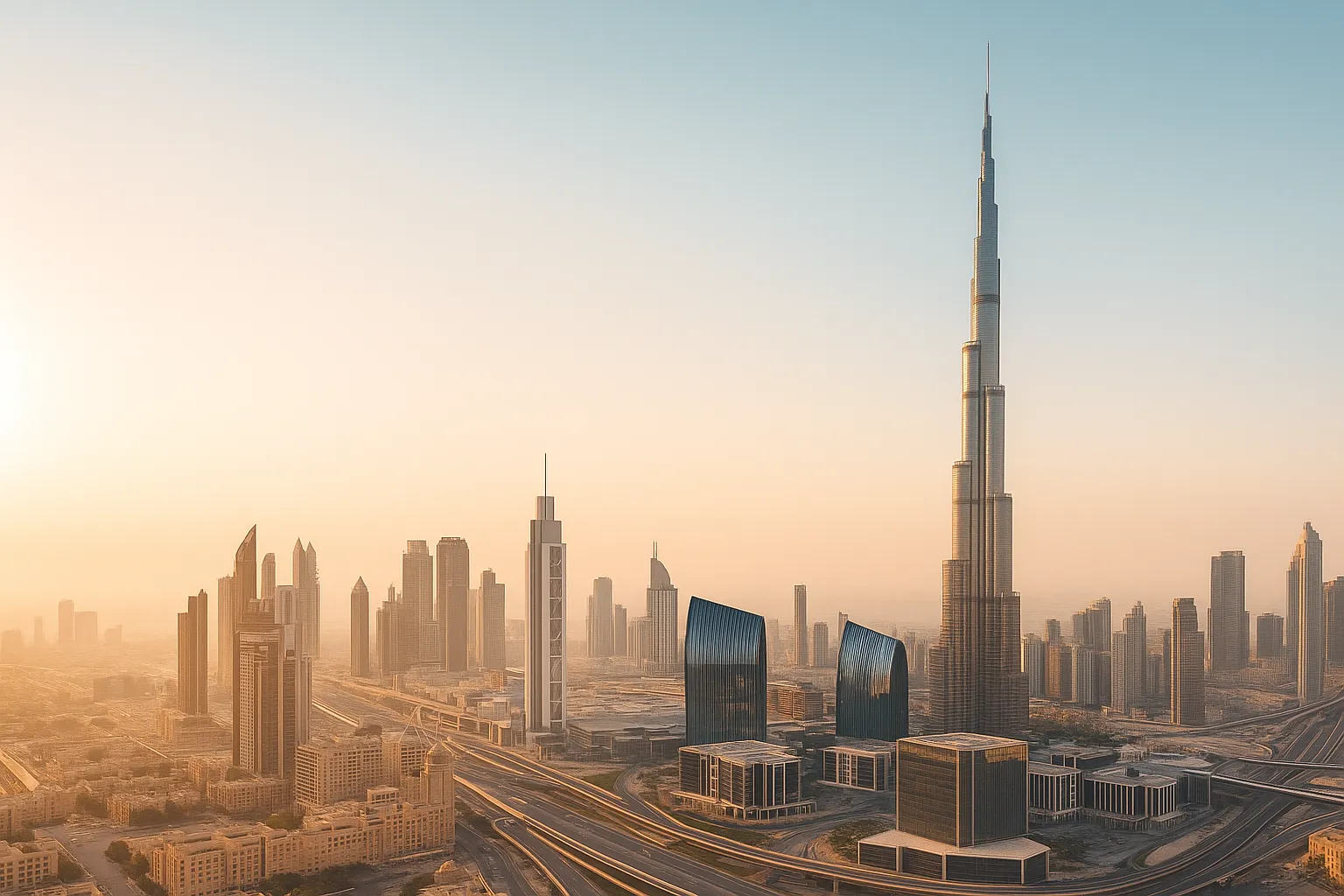
    Best places to buy property in Dubai - skyline banner

    In this detailed investor guide, we explore the best places to buy property in Dubai for high ROI, strong rental demand, and future capital appreciation — based on market trends, livability, and growth indicators.


    Why Dubai Is a Powerful Market for Property Investment

    Before reviewing the best places to buy property in Dubai, it’s important to understand what makes Dubai one of the world’s safest and fastest-growing property markets.

    • No annual property tax on residential real estate
    • High rental yields compared to major global cities
    • Consistent expat-driven population growth
    • World-class infrastructure including airports, metro, highways & healthcare
    • Long-term sustainability through the Dubai 2040 Urban Master Plan
    • Transparent legal system and highly secure property ownership structure

    These fundamentals ensure Dubai remains a long-term investment hotspot.


    1. Business Bay – One of the Best Places to Buy Property in Dubai

    Business Bay is a central investment district known for its premium towers, business hubs, and proximity to Downtown Dubai. It attracts professionals, entrepreneurs, young families, and global investors due to its strategic location and strong rental market.

    Why Business Bay Is One of the Best Places to Buy Property in Dubai
    • Walking distance to Downtown Dubai & major work zones
    • High rental demand from professionals
    • Luxury high-rise buildings and branded residences
    • Fast resale & rental turnover due to central location
    Best Property Types in Business Bay
    • 1-bedroom units with strong rentability
    • Canal-view or Burj-facing apartments
    • Fully furnished ready-to-move units

    2. Jumeirah Village Circle (JVC) – Best Affordable Area to Buy Property in Dubai

    JVC continues to be one of the best places to buy property in Dubai for investors seeking affordable entry points with strong rental yields. Its schools, parks, accessibility and modern developments attract a steady tenant base.

    Why JVC Is a Top Investment Area
    • Lower price entry than Business Bay or Dubai Marina
    • Massive tenant pool due to family-friendly amenities
    • High year-round occupancy
    • Fast-growing residential infrastructure
    Best Property Types in JVC
    • Studios & 1-bedroom units
    • Affordable townhouses
    • Off-plan projects offering flexible payment plans

    3. Palm Jebel Ali – Best Luxury Place to Buy Property in Dubai

    Palm Jebel Ali’s relaunch has become one of the most anticipated luxury real estate developments, offering beachfront villas, mansions, and future high-rise residences.

    Why Palm Jebel Ali Is a Top Investment Zone
    • Rare beachfront property availability
    • A visionary master community by a major developer
    • Long-term capital appreciation expected
    • Ultra-premium positioning similar to Palm Jumeirah
    Best Property Types in Palm Jebel Ali
    • Luxury beachfront villas
    • Premium townhouses
    • Future high-rise sea-view apartments

    4. Dubai South – Best Growth Area to Buy Property in Dubai

    Dubai South is an emerging mega-city around Al Maktoum Airport and Expo City Dubai, making it a future-ready investment hub.

    Why Dubai South Is a Growing Investment Market
    • Future world’s largest airport nearby
    • Budget-friendly prices with big appreciation potential
    • Expo City and logistics districts driving job growth
    • Upcoming metro connectivity
    Best Property Types in Dubai South
    • Affordable apartments
    • New townhouses
    • Projects near Expo City

    5. Arjan – Budget-Friendly Area Among the Best Places to Buy Property in Dubai

    Arjan is a rapidly developing mid-rise community offering affordable properties and excellent rental performance.

    Why Arjan Offers Strong ROI
    • Growing residential demand
    • Proximity to Miracle Garden & major roads
    • Consistent project handovers
    • Affordable price segment
    Best Property Types in Arjan
    • 1–2 bedroom apartments
    • Fully furnished ready units
    • New off-plan developments

    6. Meydan & MBR City – Premium Communities & Best Places to Buy Property in Dubai

    MBR City and Meydan offer luxury lagoon communities, premium amenities, and high-end living within minutes of Downtown Dubai.

    Why Meydan / MBR City Are Premium Investment Areas
    • High-quality luxury developments
    • Lagoon views and green landscapes
    • Close to Downtown & Business Bay
    • Attractive to elite global buyers
    Best Property Types in MBR City
    • Lagoon-facing apartments
    • Luxury villas
    • Family townhouses

    7. Dubai Marina – Evergreen & One of the Best Places to Buy Property in Dubai

    Dubai Marina is globally recognized for luxury waterfront living, strong tourism, and premium rental demand.

    Why Dubai Marina Stays in High Demand
    • World-famous waterfront district
    • High tourist & resident occupancy
    • Strong short-term rental returns
    • Premium resale value
    Best Property Types in Dubai Marina
    • Sea-view apartments
    • Furnished rental units
    • Premium high-rise towers

    8. Dubai Hills Estate – Luxury Community & One of the Best Places to Buy Property in Dubai

    Dubai Hills Estate blends premium villas, green landscapes, and world-class lifestyle amenities, making it one of Dubai’s most desirable luxury communities.

    Why Dubai Hills Is a Strong Investment
    • High demand from families and HNWIs
    • Golf-course lifestyle
    • Dubai Hills Mall & schools nearby
    • Consistent capital growth
    Best Property Types in Dubai Hills
    • Luxury villas
    • Townhouses
    • Golf-view apartments

    9. Town Square Dubai – Affordable & One of the Best Places to Buy Property in Dubai

    Town Square Dubai is known for its affordable pricing, modern amenities, and high appeal among young families.

    Why Town Square Is a Smart Investment
    • High value for money
    • Strong rental demand
    • Growing community amenities
    • Large family tenant base
    Best Property Types in Town Square
    • 2-bedroom apartments
    • Modern townhouses
    • New mid-rise developments

    10. Dubai Creek Harbour – Waterfront Community & One of the Best Places to Buy Property in Dubai

    Dubai Creek Harbour is an emerging lifestyle destination offering skyline views, natural surroundings, and modern architecture.

    Why Dubai Creek Harbour Attracts Investors
    • Prime waterfront living
    • Major future tourism zone
    • Developed by one of Dubai’s top developers
    • Excellent future appreciation potential
    Best Property Types in Creek Harbour
    • Waterfront apartments
    • Skyline-view units
    • Premium high-rises

    Final Thoughts: Choosing the Best Places to Buy Property in Dubai

    Dubai offers a unique combination of security, tax benefits, global appeal and long-term ROI. Choosing strategically among the best places to buy property in Dubai can help you grow wealth, earn strong rental yields, and secure capital appreciation for years ahead.

    To explore your investment options, visit:
    Solanki Properties – Dubai Real Estate Experts

    Categories
    News

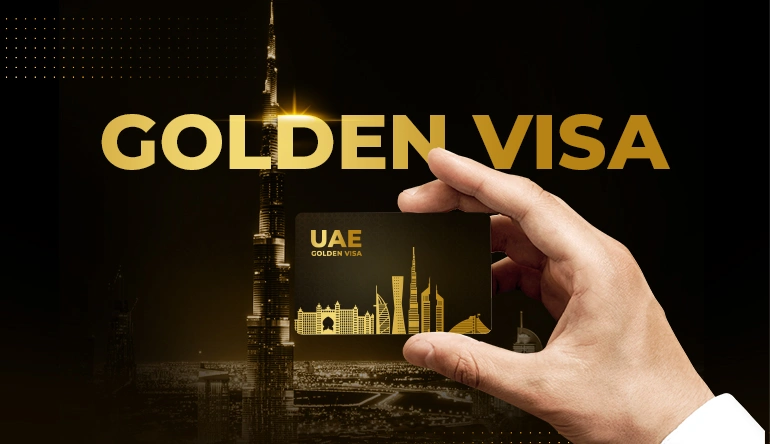
    Dubai Golden Visa: 10 Important Property Investment Rules You Must Know

    The Dubai Golden Visa is one of the UAE’s most valuable long-term residency options, offering investors and their families a stable and secure lifestyle in one of the world’s most dynamic cities. With clear eligibility requirements and a well-structured application process, real estate buyers can obtain a 10-year residency by making qualifying property investments.

    In this guide, we break down the 10 most important property investment rules you need to know. Understanding these rules will help you choose the right property, meet all requirements confidently, and ensure a smooth Golden Visa approval.


    From minimum investment criteria to eligible property types, mortgage conditions, and documentation requirements—this guide provides a simple, practical explanation of everything you need to know before applying for the Golden Visa through real estate ownership.

    Dubai Golden Visa

    Rule 1 – Understand What the Dubai Golden Visa Offers

    The Golden Visa is a renewable 10-year residency permit that gives investors the freedom to live, work, and invest in the UAE without requiring sponsorship. It is designed to support long-term investment, stability, and growth for individuals and families choosing Dubai as their second home.

    The application process has become simpler, with:

    • Faster approval timelines
    • Streamlined online submission
    • Better support for mortgaged properties
    • Smoother processing for off-plan property owners

    Rule 2 – Minimum Investment Must Be AED 2 Million

    The most important requirement is a real estate investment of at least AED 2M. You can qualify by purchasing:

    • A single property valued at AED 2M+
    • Multiple properties with a combined value of AED 2M+
    • Either ready or off-plan units

    Applications below this threshold are not accepted under any circumstances.


    Rule 3 – Mortgaged Properties Are Eligible Under Certain Conditions

    You can qualify even if your property is mortgaged, provided that:

    • You have paid at least 50% of the property value, OR
    • Your total equity is AED 2M+

    Your bank must also issue a No Objection Certificate confirming your ownership share.


    Rule 4 – Joint Ownership Is Accepted

    Golden Visa eligibility applies to jointly owned properties as long as:

    • The total property value is AED 2M+
    • Each owner’s share is clearly listed on the Title Deed or Oqood

    This makes it easier for couples and families investing together.


    Rule 5 – Only Certain Property Types Qualify

    According to Dubai Land Department (DLD), the following property types are eligible:

    • Freehold residential properties
    • Off-plan units from approved developers
    • Ready apartments, villas, and townhouses
    • Serviced apartments with an issued Title Deed
    • Commercial properties (subject to approval)

    Not eligible: leasehold units, disputed properties, or properties not registered with DLD.


    Rule 6 – Off-Plan Properties Must Meet Specific Requirements

    Off-plan properties are eligible for the Golden Visa if:

    • The total property value is AED 2M or more
    • The developer is registered and approved by DLD
    • Payments made toward the property are verifiable
    • Oqood registration is completed

    This is one of the most popular investment routes due to flexible payment plans and lower upfront costs.


    Rule 7 – Submit All Required Documents Clearly and Correctly

    Incomplete or mismatched documents are the most common reasons for application delays. You will need:

    • Passport
    • Passport-size photographs
    • Title Deed (ready unit) or Oqood (off-plan)
    • Bank statement if the property is mortgaged
    • Valid UAE health insurance
    • DLD valuation (if requested)

    Your name must match exactly across all documents.


    Rule 8 – Follow the Proper Step-by-Step Golden Visa Process

    Step 1 – Purchase a qualifying AED 2M+ property
    Step 2 – Receive your Title Deed or Oqood certificate
    Step 3 – Apply via GDRFA or the DubaiNow app
    Step 4 – Upload all required documents
    Step 5 – Wait for initial approval
    Step 6 – Complete medical test and biometrics
    Step 7 – Receive your Emirates ID and visa stamp

    Typical processing time: 5–15 working days.


    Rule 9 – Avoid Common Mistakes That Lead to Rejections

    • Submitting unclear or incomplete documents
    • Applying with a property valued below AED 2M
    • Purchasing from non-approved developers
    • Incorrect mortgage equity calculations
    • Applying before Oqood or Title Deed issuance

    Expert Tip: Always confirm eligibility with your real estate consultant before submitting your application.


    Rule 10 – Know the Key Benefits Before You Invest

    • Renewable 10-year residency
    • No need for a UAE sponsor
    • Ability to sponsor spouse, children, and dependents
    • No minimum-stay requirement in the UAE
    • Full business ownership and investor privileges
    • Access to Dubai’s safe, tax-free, high-quality lifestyle

    These benefits make the Golden Visa a compelling choice for long-term financial and lifestyle planning.


    Conclusion

    The Dubai Golden Visa offers long-term residency for investors who purchase property worth AED 2M or more. By understanding these 10 important rules—from eligibility criteria and documentation to property types and mortgage guidelines—you can ensure a smooth and successful application process.

    For expert guidance, personalised property options, or assistance with the full Golden Visa procedure, the team at Solanki Properties is here to help you every step of the way.

    Call/WhatsApp: +971 52 257 8734

    Categories
    News

    Ready vs Off-Plan Property: What Should You Buy in 2026?


    The debate over Ready vs Off-Plan Property 2026 has become one of the most important questions for investors and homebuyers in Dubai. With Dubai’s real estate market growing stronger in 2025 and expected to perform even better in 2026, choosing between a ready property and an off-plan property can significantly impact your returns and living experience.

    Both options offer high potential, but they differ in pricing, risks, timelines, and ROI. This blog provides a complete breakdown of what you should buy in 2026 — based on goals like rental income, capital appreciation, visa eligibility, and lifestyle needs.


    1. Understanding the Difference — Ready vs Off-Plan Property 2026

    Ready vs Off-Plan Property 2026 comparison chart

    A ready property is completed, handed over, and available for immediate occupancy or rental. Buyers can visit the unit, inspect the finishing, and experience the community directly.

    An off-plan property is a project under construction or newly launched, offered with flexible payment plans and lower entry prices. These properties are typically handed over between 2026 and 2029.

    The Ready vs Off-Plan Property 2026 choice depends on your goals—quick rental income, long-term appreciation, lifestyle planning, or flexible payments.


    2. Why 2025–2026 Is a Crucial Time to Decide

    Dubai is experiencing a powerful growth phase driven by:

    • Record population growth (100,000+ new residents yearly)
    • Visa reforms (Golden Visa, Green Visa)
    • Historical investor demand from Europe, UK, CIS & Asia
    • Massive infrastructure expansion (Blue Line Metro, DWC Airport, Palm Jebel Ali)
    • Tax-free income and high-quality lifestyle

    This growth ensures both ready and off-plan properties deliver strong returns, but in different ways. The Ready vs Off-Plan Property 2026 question is all about aligning investment behavior with market momentum.


    3. Benefits of Buying a Ready Property in 2026

    Ready properties provide certainty, immediate utility, and instant cashflow potential — ideal for investors who want results today, not years later.

    ✔ Immediate Rental Income

    A ready property can be rented immediately — generating cashflow from day one. In communities like Dubai Marina, Downtown, and Business Bay, rental occupancy remains above 90%.

    ✔ No Construction or Delay Risk

    The biggest advantage is certainty. You see exactly what you are buying. There are no concerns about developer delays or design changes.

    ✔ Ideal for End Users

    If you are relocating to Dubai in 2025–2026 or want to upgrade your lifestyle quickly, a ready property allows immediate move-in.

    ✔ Appreciation in Mature Communities

    Areas like Dubai Hills, JVC, Meydan, and Palm Jumeirah continue to appreciate steadily as demand rises and supply tightens.

    ✔ Golden Visa Eligibility

    Ready properties valued at AED 2M+ qualify for a 10-year Golden Visa, making them the preferred choice for long-term residency seekers.


    4. Benefits of Buying an Off-Plan Property in 2026

    Off-plan property Dubai 2026 modern tower

    Off-plan properties are the top pick for investors seeking low entry prices, high appreciation, and premium amenities.

    ✔ Lower Prices

    Off-plan prices are 20–40% cheaper than ready properties in the same location. This lower entry gives bigger room for appreciation.

    ✔ Flexible Payment Plans

    Developers offer buyer-friendly payment plans such as:

    • 1% monthly payment plans
    • 50/50 handover plans
    • 80/20 and 60/40 structures
    • Post-handover payment options

    ✔ High Capital Growth

    Off-plan properties can appreciate by 25–60% by the time of handover, especially in high-demand communities like Dubai South, JVC, and MBR City.

    ✔ Modern Design & Smart Features

    New projects include smart home systems, luxury amenities, wellness facilities, EV charging, and community enhancements.

    ✔ Affordable for New Investors

    Buyers don’t need the full cost upfront, making it ideal for first-time investors entering the Dubai property market.


    5. Ready vs Off-Plan Property 2026 — Which Gives Better ROI?

    Return on investment depends on your approach. Here’s a clear comparison:

    ✔ Rental Yield — Ready Property Wins

    • Ready property ROI: 6%–8%
    • Off-plan ROI: 0% until handover

    ✔ Capital Appreciation — Off-Plan Wins

    • Ready property growth: 4%–10%
    • Off-plan appreciation: 25%–60% during construction

    ✔ Risk Factor

    Ready properties = lowest risk
    Off-plan properties = depends on developer reputation

    ✔ Liquidity

    Ready properties rent and sell quickly.
    Off-plan properties flip easily before handover in strong markets.


    6. Which One Should YOU Buy? (Simple Guide)

    Choose Ready Property if you want:

    • Immediate rental income
    • No construction risk
    • A home to live in within 2025–2026
    • Golden Visa benefits

    Choose Off-Plan Property if you want:

    • Low initial investment
    • High long-term appreciation
    • Flexible payment timelines
    • Modern smart-home communities

    7. Market Forecast 2025–2026

    Experts predict:

    • Dubai’s population will reach 4.2 million by 2026
    • Demand will continue to outpace supply
    • Off-plan launches will increase further
    • Ready villas and townhouses will remain limited
    • Rental yields will stay strong due to expat migration

    This makes both ready and off-plan properties excellent investment options — depending on your financial strategy.


    Conclusion — Ready vs Off-Plan Property 2026

    If you want stability, quick returns, and zero risk, choose a ready property.
    If you want flexibility, low entry price, and high appreciation, choose an off-plan property.

    Both options are profitable in Dubai, and the smart choice is the one aligned with your long-term goals.


    Need Expert Guidance?

    Our team at Solanki Properties can guide you with the best ready and off-plan projects based on your budget and ROI needs.

    Call/WhatsApp:
    +971 52 257 8734

    Categories
    News

    Dubai Real Estate Market Forecast 2025–2030: What Investors Should Know


    Dubai Real Estate Market Forecast 2025–2030: What Investors Should Know

    The Dubai real estate market forecast 2025–2030 shows strong, sustained growth backed by population expansion, government reforms, mega infrastructure projects, and global investor demand. Between now and 2030, Dubai is expected to enter one of its most stable and high-performance cycles — making it a top choice for long-term property investors worldwide.

    In this detailed forecast, we break down everything investors should know about pricing trends, rental yields, supply-demand balance, upcoming projects, and risks to watch out for.


    1. Dubai’s Economy Set for Strong Growth Through 2030

    Dubai real estate market

    The foundation of the Dubai real estate market forecast 2025–2030 lies in its expanding economic strength. Dubai’s GDP continues to rise due to diversified sectors including trade, tourism, aviation, logistics, finance, and real estate.

    The government’s long-term vision — including the Dubai Economic Agenda D33 — aims to double the size of the economy by 2033. This creates natural upward pressure on real estate values, rental demand, and investment inflows.

    Key Economic Drivers (2025–2030)

    • Expected GDP growth: 4%–5% annually
    • Massive tourism growth with 25M+ yearly visitors
    • Consistent FDI inflows from Europe, Asia, UK, and GCC
    • Business-friendly laws attracting global companies
    • Strong demand for commercial, residential, and holiday homes

    With a stable economy and zero property tax, Dubai continues to rank among the top global cities for real estate investment.


    2. Property Prices Expected to Rise 15%–25% by 2030

    Dubai property price forecast 2025 2030

    Property values in Dubai have shown steady growth since 2021, and this trend is forecasted to continue over the next five years.

    Projected Price Growth (2025–2030)

    • Prime areas: 20%–30% increase
    • Mid-tier communities: 15%–25% increase
    • Emerging areas: Up to 40% increase (due to infrastructure projects)

    Communities like Palm Jebel Ali, Dubai South, Dubai Islands, Damac Lagoons, and Arjan are expected to deliver some of the strongest returns due to planned developments and increasing resident demand.

    The price growth is backed by real end-user demand — not speculation — making this cycle healthier and more sustainable compared to earlier booms.


    3. Rapid Population Growth Will Push Demand Higher

    Dubai population growth chart 2025 2030

    One of the strongest factors shaping the Dubai real estate market forecast 2025–2030 is population growth. Dubai continues to attract professionals, entrepreneurs, investors, and families from around the world.

    Population Projections

    • Current population: 3.65 million+
    • Expected by 2030: 6+ million residents
    • Annual population growth rate: 4%–5%

    This level of growth requires tens of thousands of new homes every year — creating continuous demand across apartments, townhouses, and villas.

    Locations such as JVC, Business Bay, Dubai Hills, MBR City, and Dubai South are already experiencing higher occupancy rates and increased rental demand due to the rising population.


    4. Strong Rental Yields Will Continue to Attract Global Investors

    Dubai rental yield forecast 2025 2030

    Dubai consistently offers some of the highest rental returns among global cities. As demand rises and occupancy levels remain strong, yields are expected to remain attractive through 2030.

    Forecasted Rental Yields (2025–2030)

    • Apartments: 6%–8%
    • Townhouses: 5%–6%
    • Villas: 4%–5%

    For investors purchasing in emerging communities, yields can reach up to 10% depending on the entry price.

    With zero property taxes, zero rental income tax, and strong tenant demand, Dubai remains far more attractive than cities like London, Singapore, and Hong Kong — where yields are often below 3%.


    5. Off-Plan Market Will Remain the Most Active Investment Category

    Dubai off plan property forecast 2025 2030

    The off-plan market will continue to dominate due to flexible payment plans, low entry costs, and high potential capital appreciation.

    Why Off-Plan Will Grow Stronger

    • 3–7 year payment plans with low booking amounts
    • Strong appreciation during construction
    • High demand for brand-new modern homes
    • More master communities launching every year
    • Developers offering post-handover payment plans

    Investors entering between 2025 and 2027 are expected to see strong appreciation by the time their units hand over.


    6. Mega Infrastructure Projects Will Shape the Future of Dubai

    Dubai mega infrastructure forecast 2030

    No Dubai real estate market forecast 2025–2030 is complete without considering the impact of mega-projects. Dubai’s infrastructure vision directly influences long-term real estate value.

    Key Projects Transforming Dubai by 2030

    • Palm Jebel Ali: 80+ hotels, resorts, luxury homes
    • Dubai Islands: New residential & tourism districts
    • Blue Line Metro: Connecting major new communities
    • Al Maktoum Airport: Set to be world’s largest airport
    • MBR City & Dubai South expansion: New residential hubs

    Properties located near these mega-projects typically appreciate faster due to improved connectivity and increased demand.


    7. Is Dubai at Risk of Oversupply Before 2030?

    This is one of the most common questions investors ask when considering long-term investment in Dubai.

    The reality is — Dubai’s supply is increasing, but so is the population and investor demand. Developers are launching new projects, but occupancy rates remain high, particularly for mid-income and family communities.

    Why Oversupply Is Not a Major Risk (2025–2030)

    • New residents entering Dubai every year
    • Short-term rentals absorbing tourism demand
    • Corporate relocations increasing rental needs
    • Extremely high demand for villas & townhouses
    • Government controls to prevent speculative building

    Instead of oversupply, Dubai is more likely to face selective shortages in mid-income and quality villa communities by 2030.


    Conclusion: The 2025–2030 Cycle Is One of the Strongest for Investors

    The Dubai real estate market forecast 2025–2030 makes one thing clear — the next five years will create powerful opportunities for local and international investors.

    Driven by economic stability, population growth, mega-projects, and global demand, Dubai remains one of the world’s most profitable, secure, and future-ready real estate markets.


    Need Expert Guidance for Your Investment?

    If you are planning to invest or buy a home in Dubai, Solanki Properties can help you choose the best options based on your budget and long-term goals.

    Call/WhatsApp: +971 52 257 8734

    ×
    Digital Card
    Back to top

    Reset password

    Enter your email address and we will send you a link to change your password.

    Get started with your account

    to save your favourite homes and more

    Sign up with email

    Get started with your account

    to save your favourite homes and more

    By clicking the «SIGN UP» button you agree to the Terms of Use and Privacy Policy
    Powered by Estatik